

How to Prepare
FOR A DIY HEAT TREATMENT
WHAT IS THE MOST IMPORTANT RULE?
NEVER remove infested items.
ONLY ITEMS THAT CAN BE COMPLETELY VISUALLY INSPECTED AND VERIFIED BED BUG FREE SHOULD BE REMOVED
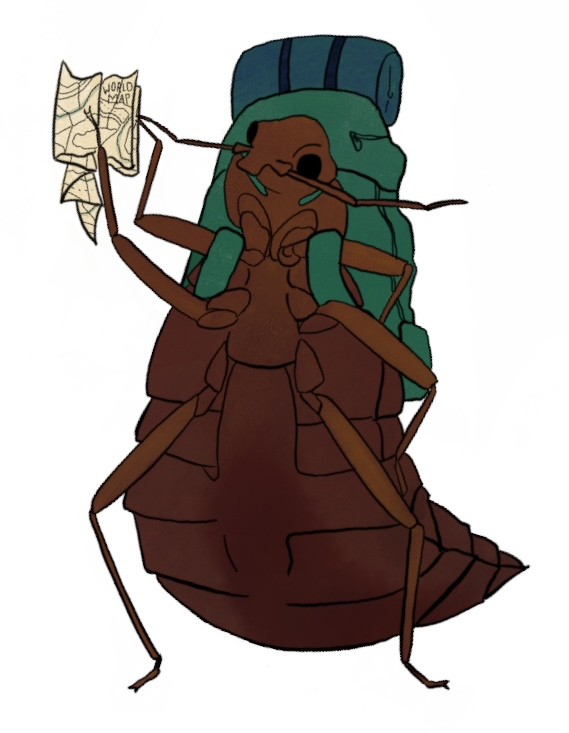
Bed bugs (and their sticky eggs) are excellent hitchhikers!
They WILL try to hitch a ride on any items leaving with you!

ALWAYS dispose trash
DIRECTLY TO CURB
THE ONLY ITEMS THAT SHOULD BE COMPLETELY REMOVED
Carefully visually inspect prior to removal.
-
Pets
-
Explosive / Combustible Items
-
Plants
-
Pesticides
-
Garbage
(When dealing with bed bugs, ALWAYS dispose garbage directly to curb)
Other heat sensitive items (see below) should be carefully inspected for bed bugs and their eggs, then stored in a working refrigerator or freezer during treatment.
If you do not feel confident with your visual inspection, see bed bugs/eggs, or cannot store in a fridge or freezer you can:
- Seal items in an airtight container or bag. Leave undisturbed for 1.5 years.
- Temporarily expose sensitive items to heat before removing part-way through treatment (risk of damage is possible and total extermination not guaranteed).
- Contact a pest professional about other treatment options (such as steam or pesticide treatments).
- Dispose directly to curb.
All other non-sensitive items should remain in place during the duration of the heat treatment.
ITEMS THAT MUST BE REMOVED
DURING HEAT TREATMENT, THE ENTIRE STRUCTURE, AIR, AND EVERYTHING INSIDE IT IS HEATED TO AN EXTREMELY HIGH TEMPERATURE OVER 100F.
NOT EVERYTHING CAN TAKE THE HEAT.


Plants are extremely heat sensitive and will die if they remain inside during heat treatment (even cactuses!).

Though bed bugs are unlikely to hide in soil, all plants should be thoroughly inspected prior to removal. Plants kept near sleeping areas should be inspected with extra caution.
Plants are extremely heat sensitive and will die if they remain inside during heat treatment (even cactuses!).
Though bed bugs are unlikely to hide in soil, all plants should be thoroughly inspected prior to removal. Plants kept near sleeping areas should be inspected with extra caution.


Seeds and bulbs should also be removed
ITEMS THAT CAN BE STORED IN THE REFRIGERATOR
Some items, such as those listed below, can be stored inside a working refrigerator or freezer during heat treatment.
The refrigerator or freezer should remain plugged in.

- Cosmetics
- Paint (house paint, oil paint, acrylic paint, watercolour paint, etc)
FINAL TO-DO BEFORE TREATMENT DAY
- Remove and destroy all corrugated cardboard.
- Dispose of all indoor trash or compost directly to curb.
- Place all magnets on counter (may demagnitize).
- Remove batteries from all remotes (eg. tv or garage door openers) and children’s toys.
- Take picture frames down from wall and place on floor.
- Take down plastic, wood, or vinyl blinds and place on floor for our inspection and removal prior to treatment.


- Ensure removal of ALL pets and important valuables (technician can inspect potential harborage items before removal if necessary) before exiting prior to treatment.
- UNPLUG all electrical items (eg., televisions, computers, laptop computers, tablets, iPads, and valuable game consoles).
- Ventilating (heating, air conditioning) equipment must be turned off.
- Sprinkler systems, heat sensors, and smoke alarms must be deactivated (EXCEPTION: Refrigerators and freezers can remain plugged in and operating).


